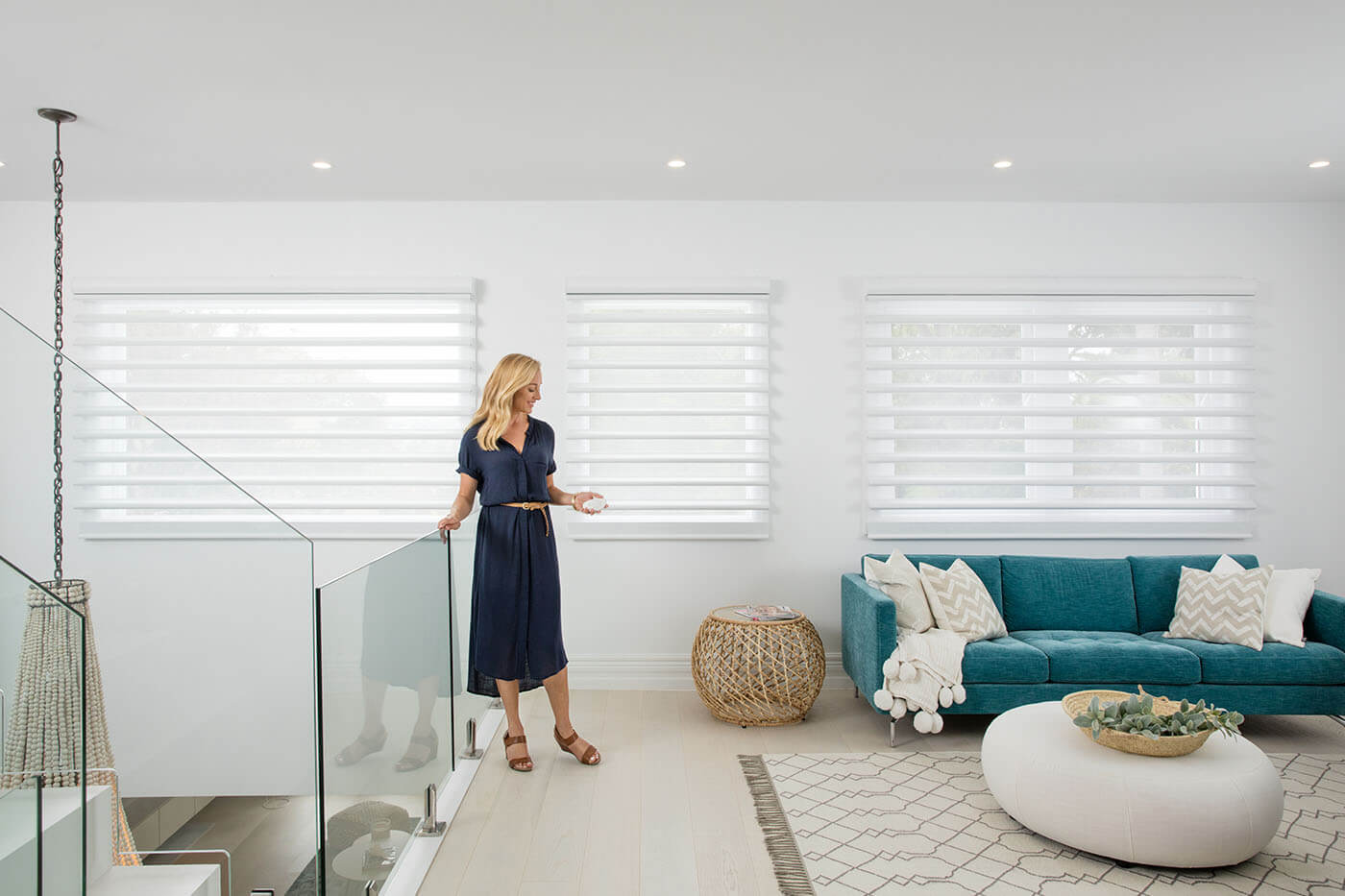
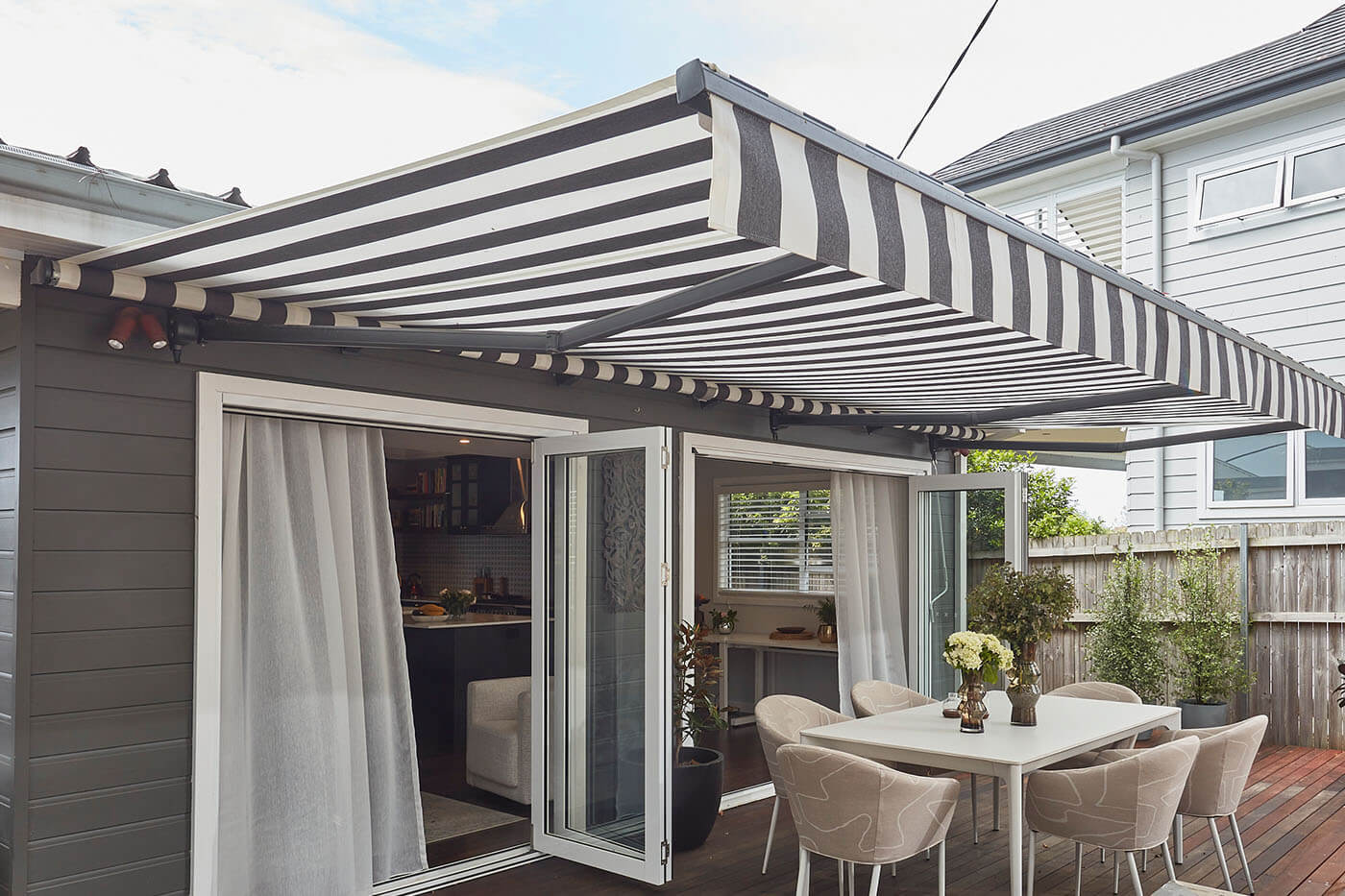
Whether you're planning a new build or giving your existing home a major renovation, it’s worth thinking about your window coverings early. Budget, electrical requirements, and structural considerations all play a role in achieving a result that looks beautiful, feels practical and functions exactly as you need it to. Planning ahead ensures you create a space that supports your lifestyle while avoiding costly compromises later.
Window coverings are a major part of any room - visually and functionally. They influence light, privacy, comfort, and energy efficiency, and they’re something you’ll use every single day. Leaving the decision to the end of the project often leads to rushed choices or budget squeezes.
Thinking about blinds early means you can include them in your overall design plan and ensure they complement your interior style, building layout, and long-term needs without regret.
Choosing the right window coverings can feel overwhelming. With so many styles, operating systems, fabrics, colours and opacity levels to choose from, having guidance can make all the difference.
This is where the trained Luxaflex® professionals become invaluable. They’ll consider the factors homeowners often overlook - things like window orientation, installation constraints, clearance requirements, and energy efficiency.
Your local Luxaflex® expert can also give advice that your builder or electrician will need, such as structural allowances, wiring requirements, and even strata considerations. Getting this information early helps you plan your budget with confidence and avoid mid-project surprises.
Size
Window size and configuration influence both your design options and the cost of your blinds. Oversized glass panels are beautiful and provide plenty of natural light, but they also require larger (and often more expensive) coverings. If you have specific blinds in mind or a set budget, speaking with an expert early can help you adjust your plans before manufacturing begins.
Shape
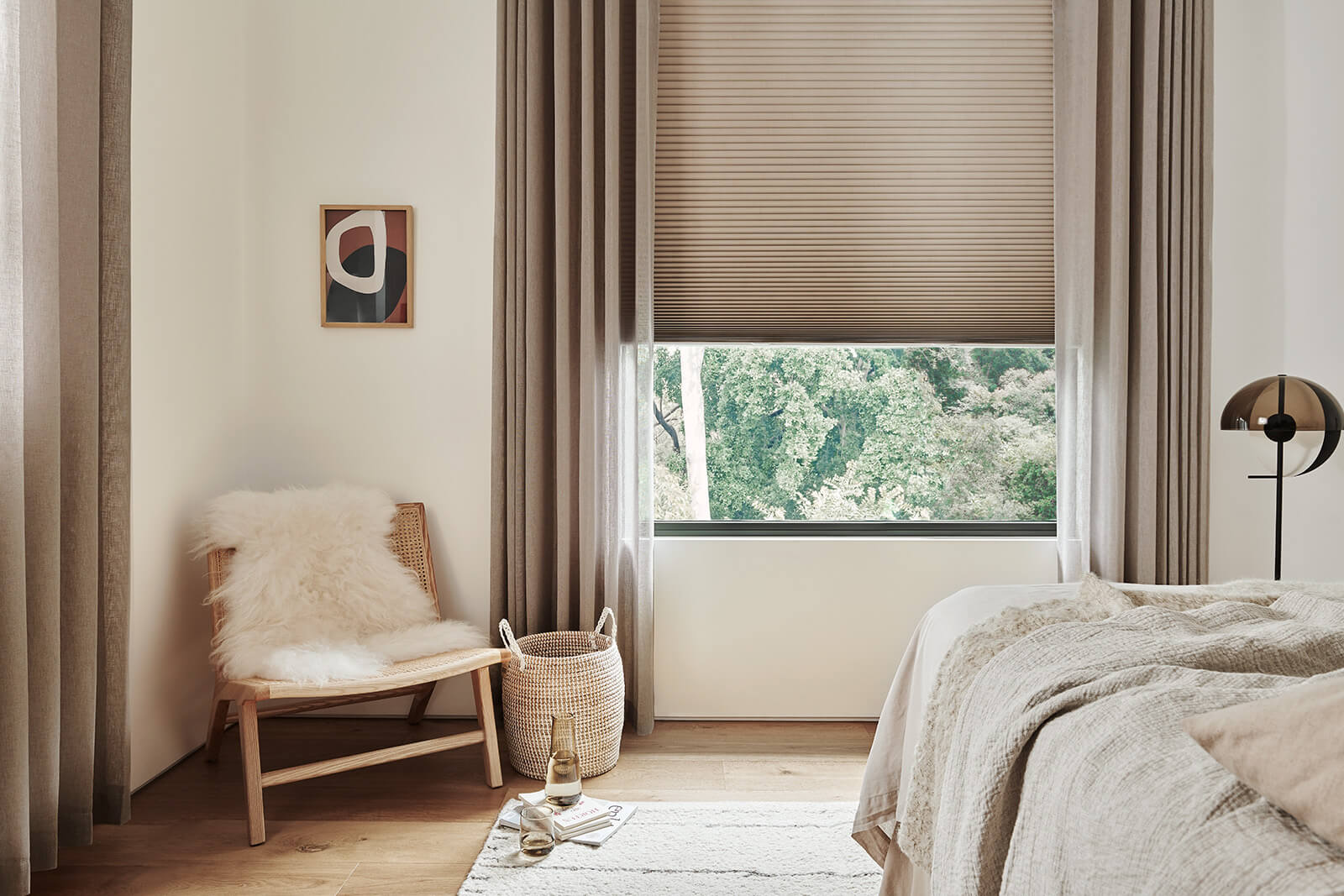
Not all windows are standard rectangles. Shapes like arches, triangles, raked windows, and sloping tops can still be covered using products such as Luxaflex® Duette® Shades and PolySatin Shutters (subject to exact specifications). However, shaped windows may influence your product choice for an entire room - so it’s essential to understand your options before committing to custom designs.
Sliding or bi-folding doors and windows
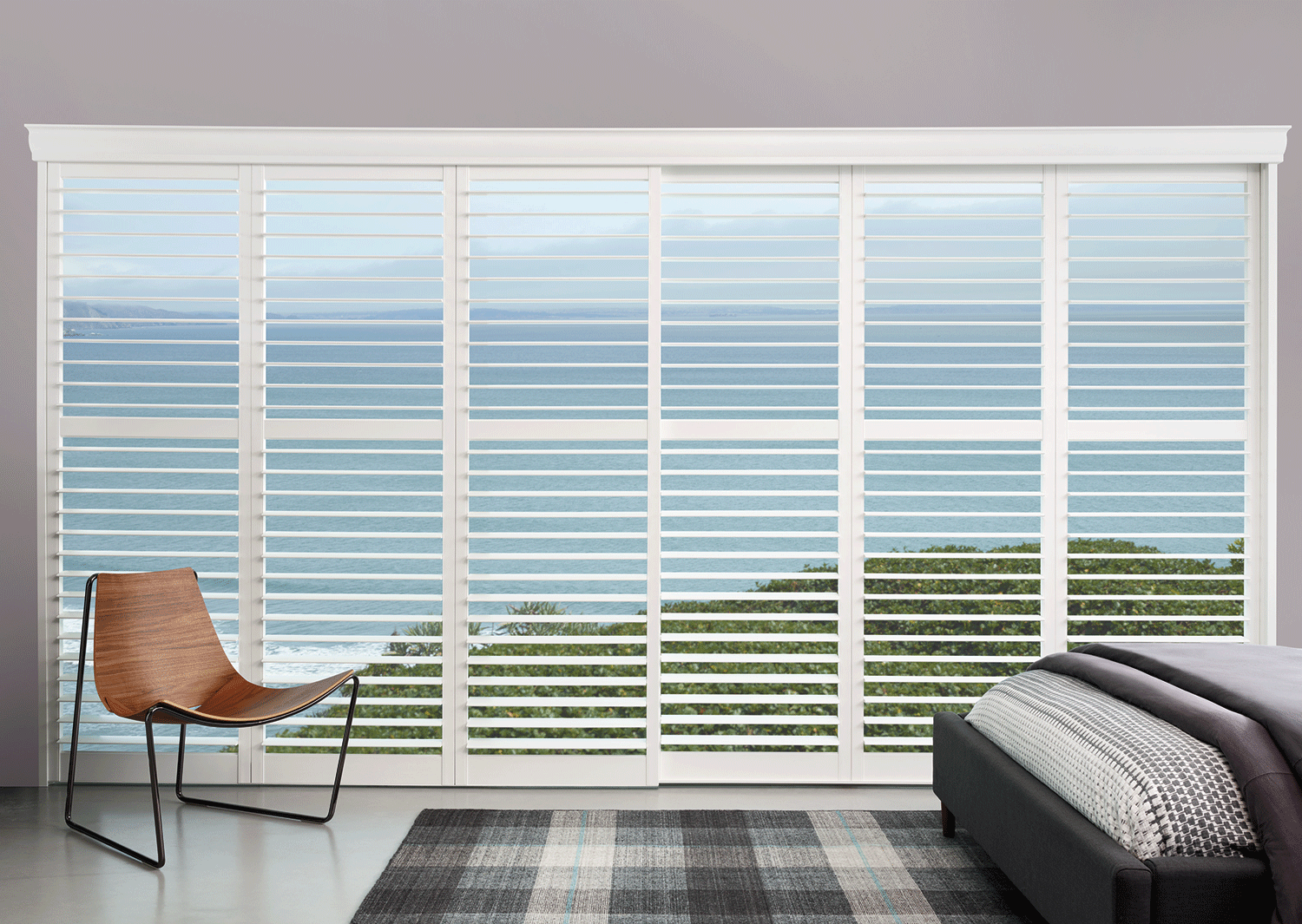
Many people assume there aren’t good solutions for sliding or bi-fold doors, but there are several excellent options. Luxaflex® Duette® Vertiglide Shades stack neatly to the left or right for easy access, while PolySatin Shutters can be configured to slide, bi-fold or bypass to match your door layout.
You can also choose blinds that roll up and down in alignment with individual panes, giving you a clean, considered look.
Installation
Internal blinds can be installed in two ways:
Reveal-fit - inside the window frame for a clean, streamlined finish
Face-fit - mounted outside the frame, ideal when window handles, winders or louvres limit internal space
Louvre windows, for example, may restrict reveal-fit options when opened. Consulting an expert before finalising your window schedule ensures the blinds you want can be installed the way you envision.
If you're hoping to recess your blinds into a ceiling cavity, this must be decided early. A Luxaflex® consultant can give your builder accurate measurements based on the product type and drop.
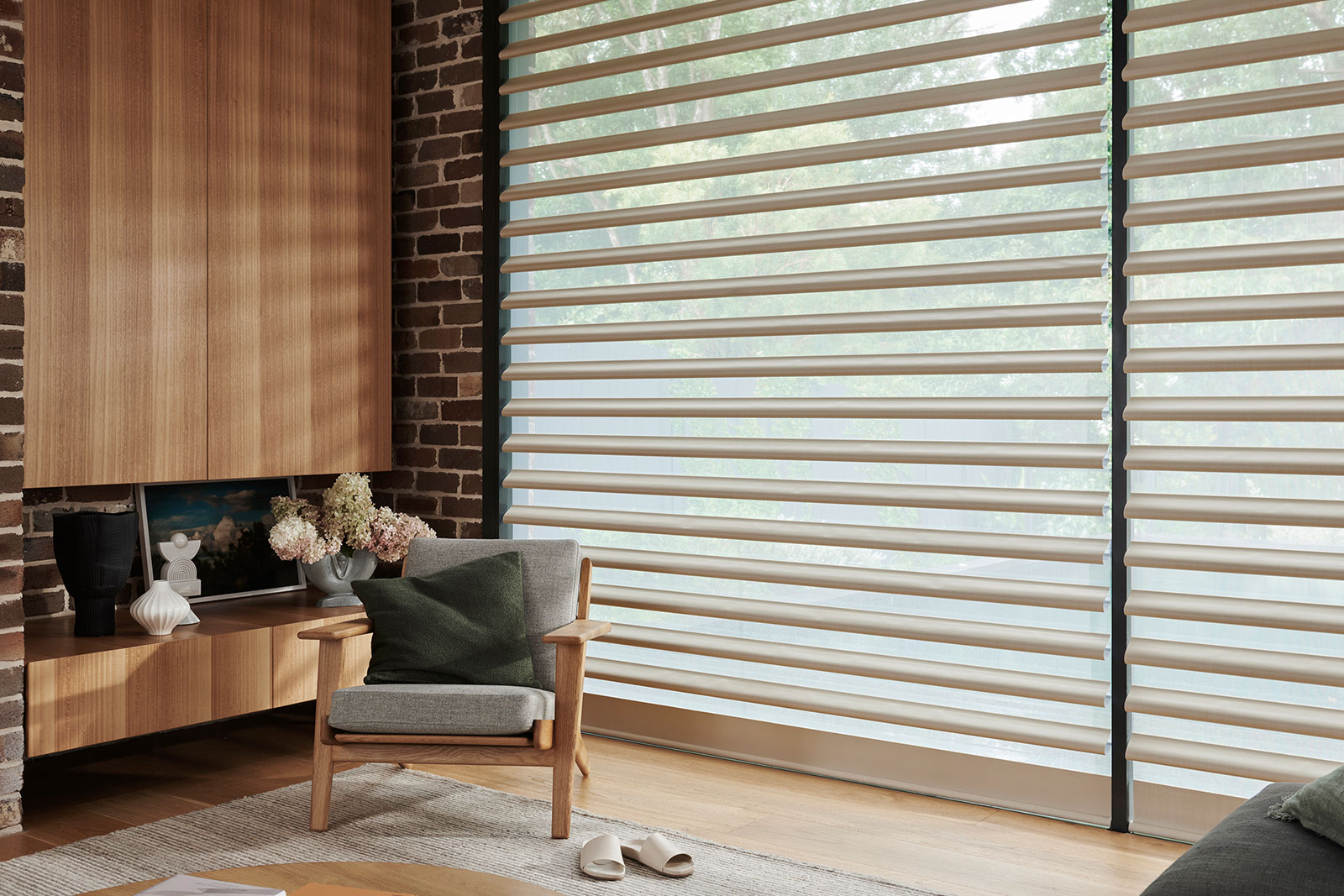
For products that slide sideways, such as Luxaflex® Luminette® Privacy Sheers, you’ll also need to ensure there's enough wall space for the blind to retract. Stack size depends on the blind width and product style, so it's important to plan this before construction.
Smart Homes continue to grow in popularity, and motorised window coverings are now one of the most sought-after features. They offer convenience, improved child safety, and enhanced energy efficiency - all while looking sleek and modern.
For hard-to-reach windows, such as skylights, motorisation makes everyday use easy. However, many motorised systems require 240V power at the motor location. That means electrical rough-ins need to be planned during early construction stages to avoid costly changes later.
A Luxaflex® consultant can supply technical details for your electrician. If wiring isn’t possible, many products can still operate via battery power. Also consider the strength of your home’s Wi-Fi and the availability of nearby powerpoints, as motorised setups may require signal repeaters or extenders to ensure smooth operation.
If you're planning to create an indoor-outdoor lifestyle zone and are considering a folding arm awning to shade your outdoor space, structural planning is essential. A support beam, roof rafters or extended wall height may be required for safe installation.
Because these features must be incorporated into the building phase, it's important to discuss awnings with your Luxaflex® consultant early. Retrofitting structural supports later can be expensive or, in some cases, not possible at all.
Many councils require minimum energy ratings for new homes, and window coverings can play a significant role in meeting those standards. Internal blinds fitted close to the glass help limit airflow around the window, improving insulation and comfort.
Luxaflex® Duette® Architella® Shades are among the best performers on the market for R-Value thanks to the honeycomb-within-honeycomb design of the Duette® Shades. The layered air pockets trap heat, helping keep your home warmer in winter and cooler in summer - a smart choice for improving overall home efficiency.
Custom window coverings require manufacturing time, and lead times vary depending on the product and your location. Most products fall within the 2–4 week range, though some may be shorter or longer (1–12 weeks).
Even though blinds are typically installed near the end of a project, they still need to be factored into your build timeline. High windows or external products may require scaffolding or crane access, so early coordination between your builder and the Luxaflex® dealer can help avoid additional costs for re-assembling equipment or hiring cranes twice.
If you're interested in finding out more about the window coverings used above,